
Invasive plants like eastern red cedar, bush honeysuckle, autumn olive, and multiflora rose spread aggressively across properties in Northern Kentucky and the Greater Cincinnati tri-state area. These species consume water, choke out native trees and hardwoods, reduce usable land, and contribute to long-term property damage if left unmanaged. Our invasive species removal service stops the spread and restores balance to your land.
Invasive Species Removal and Vegetation Control
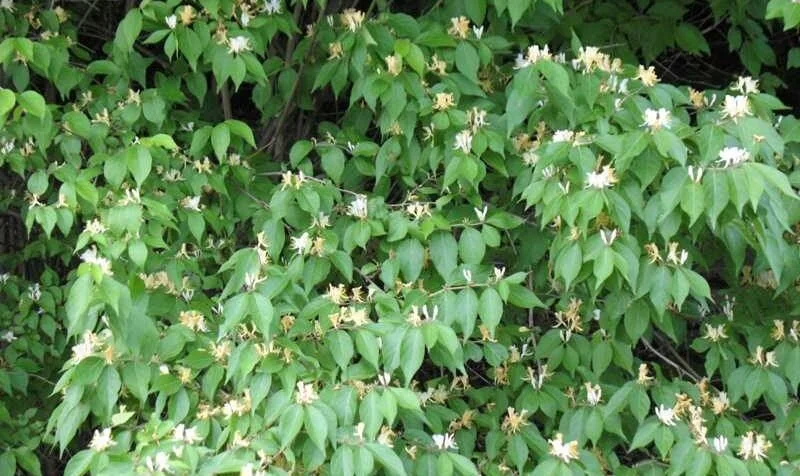
Opening land. Creating space
Invasive species are non-native plants introduced from Asia, Europe, and other regions that spread aggressively, outcompete native vegetation, and disrupt local ecosystems. Without natural predators or diseases to control them, invasive plants reproduce rapidly, form dense thickets, alter soil chemistry, and eliminate habitat for native wildlife.
In Northern Kentucky, invasive species have infested thousands of acres of woodlands, pastures, fence lines, and residential properties. Birds spread seeds from bush honeysuckle and autumn olive. Equipment and shoes transport Japanese stiltgrass. Root systems from honey locust and tree-of-heaven spread underground, creating new growth across your property.
The Problem: Invasive species reduce biodiversity, lower property values, increase fire hazards, attract pests (including ticks near bush honeysuckle), and damage infrastructure. Early removal prevents expensive long-term problems and protects Northern Kentucky's native ecosystems. Click Here For A Quote
WHAT ARE INVASIVE SPECIES?
COMMON INVASIVE SPECIES IN NORTHERN KENTUCKY & GREATER CINCINNATI AREA
Land Grinders removes all invasive vegetation threatening properties throughout the tri-state region. Here are the most problematic species we encounter:
The #1 invasive threat in Northern Kentucky. Bush honeysuckle forms impenetrable thickets that shade out native plants and prevent forest regeneration. A single mature plant produces over 1 million seeds annually, spread by birds to new locations. Bush honeysuckle leafs out earlier and retains leaves longer than natives, giving it competitive advantage.
Problems: Dense growth blocks trails and sight lines, reduces native plant diversity, increases tick populations (ticks thrive in honeysuckle thickets), and lowers property values. Once established, honeysuckle spreads rapidly through woodlands, fence lines, and residential areas.
How it spreads: Birds eat berries and deposit seeds across properties. Root systems expand underground. Fragments from cutting re-sprout if not properly treated.
Bush Honeysuckle (Amur, Morrow, Tartarian)
Honey Locust (Gleditsia triacanthos)
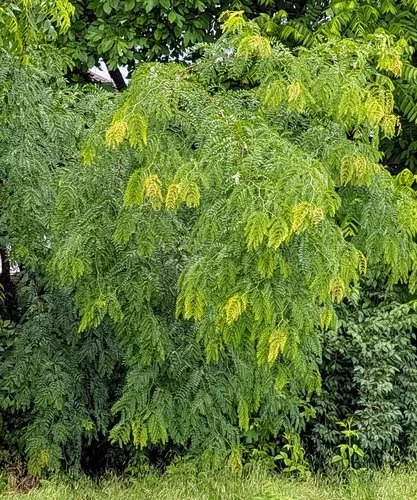
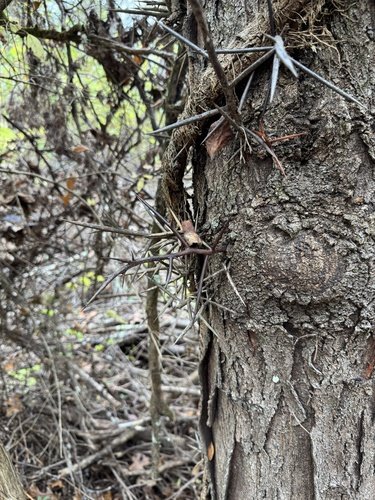
Dangerous thorns up to 20 inches long make this invasive tree a serious hazard. Honey locust invades pastures, fence lines, and rights-of-way with branched thorns that puncture tires and injure people and livestock. Fast-growing and adaptable, honey locust spreads through root suckers and produces abundant seeds.
Problems: Thorns create safety hazards, equipment damage, and make property maintenance dangerous. Forms dense stands in fields and along fence rows. Re-sprouts aggressively when cut.
How it spreads: Root suckering (primary method), seed pods consumed by cattle and wildlife, new growth from underground rhizomes. Pioneer species that quickly colonizes disturbed areas
Once a popular ornamental tree, Bradford pear is now one of Northern Kentucky's worst invasive species. These trees escape cultivation and form dense thickets in fields, forests, and along roadsides. Bradford pear produces thousands of small fruits that birds spread widely, establishing new invasions rapidly.
Problems: Crowds out native vegetation, forms impenetrable thickets, weak branch structure creates storm damage, thorny stems (despite "thornless" cultivar claims), and reduces wildlife habitat quality.
How it spreads: Birds consume and spread seeds, cross-pollination between cultivars increases fertility and invasiveness. Fast growth allows rapid colonization of open areas.
Bradford Pear / Callery Pear (Pyrus calleryana)
"The vine that ate the South" now threatens Northern Kentucky properties. Kudzu grows up to 2 inches per day during peak season, smothering trees, structures, and native vegetation under a blanket of vines. Capable of killing mature trees by blocking sunlight, kudzu transforms landscapes into "vine barrens" with minimal biodiversity.
Problems: Smothers and kills trees and native plants, damages structures and fences, increases erosion when vines die back in winter, creates fire hazards, and eliminates wildlife habitat. Extremely difficult to control once established.
How it spreads: Roots at every node where vines contact soil, underground tubers store energy allowing regrowth, fragments create new plants, nitrogen-fixing ability provides competitive advantage.
Kudzu (Pueraria montana)
Tree-of-Heaven (Ailanthus altissima)
Fast-growing invasive tree with allelopathic properties that poison surrounding plants. Tree-of-Heaven produces chemicals that inhibit growth of nearby vegetation, allowing it to dominate disturbed sites. Capable of growing 6+ feet per year, these trees establish quickly and spread aggressively.
Problems: Produces toxins affecting neighboring plants, attracts spotted lanternfly (invasive insect pest), creates dense stands eliminating native species, extensive root systems damage foundations and utilities, and produces foul-smelling flowers.
How it spreads: Wind-dispersed seeds (one tree produces thousands), aggressive root suckering creating new trees 50+ feet from parent, stumps and roots re-sprout vigorously when cut. Tolerates poor soils and urban conditions.
Nitrogen-fixing invasive shrub that alters soil chemistry and produces abundant fruit. Autumn olive's ability to fix atmospheric nitrogen gives it competitive advantage over natives while changing soil conditions to favor other invasives. Prolific fruit production ensures rapid spread.
Problems: Forms dense thickets in pastures and forest edges, alters soil nitrogen levels affecting native plant communities, produces abundant fruit (one shrub = 200,000+ seeds), difficult to control due to extensive root systems.
How it spreads: Birds and mammals consume fruit and spread seeds widely, root fragments re-sprout after cutting, nitrogen-fixing ability allows colonization of poor soils where natives struggle.
Autumn Olive (Elaeagnus umbellata)
OTHER INVASIVE SPECIES WE REMOVE
Additional invasive trees, shrubs, and vines threatening Northern Kentucky:
Black Locust - Toxic thorns, aggressive root suckering, fast growth
Japanese Honeysuckle (vine) - Smothers understory plants and young trees
Oriental Bittersweet - Vines girdle and kill trees
Privet - Forms dense woodland stands, blocks regeneration
Multiflora Rose - Thorny thickets spread by birds
Japanese Knotweed - Underground rhizomes, extremely difficult control
Burning Bush - Escapes landscapes into natural areas
Winter Creeper - Ground cover that climbs and smothers vegetation
Japanese Stiltgrass - Annual grass spread by equipment, shoes, water
Garlic Mustard - Impacts forest regeneration, allelopathic
DIY removal often fails or makes problems worse. Cutting invasive species without proper treatment stimulates aggressive re-sprouting. Herbicide application without understanding plant biology wastes money and harms non-target species. Incomplete removal allows invasives to return stronger.
WHY PROFESSIONAL INVASIVE SPECIES REMOVAL MATTERS
Forestry Mulching Eliminates Root Systems: Our Green Climber LV600 grinds invasive vegetation—stems, roots, and seeds—into mulch that decomposes on-site. This method destroys the plant's ability to re-sprout while leaving beneficial native root systems intact.
Land Grinders' Professional Approach:
Prevents Spread to New Areas: We clean equipment between properties, preventing transport of seeds and plant fragments. Mulched material stays on-site rather than spreading invasives during hauling.
Safe Removal of Thorny Species: Remote-controlled equipment removes dangerous thorny invasives like honey locust and multiflora rose without crew exposure to injuries. Operator controls equipment from safe distance while thorns are ground into harmless mulch.
Restores Native Ecosystems: Removing invasive species allows native plants to recover, restoring wildlife habitat, improving biodiversity, and increasing property values. Native vegetation provides superior food and shelter for local wildlife compared to invasive monocultures.
OUR INVASIVE SPECIES REMOVAL PROCESS
Step 1
Property Assessment & Species Identification
We identify invasive species on your property, assess infestation severity, and develop removal strategy. Our crew recognizes all common Northern Kentucky invasives and understands their spread patterns and control requirements.
Step 2
Different invasives require different approaches. We prioritize high-threat species, protect desirable native vegetation, and plan removal to prevent re-infestation from neighboring properties or seed banks.
Targeted Removal Plan
Step 3
Our Green Climber grinds invasive vegetation at ground level, destroying root crowns and preventing re-sprouting. For species requiring follow-up treatment, we coordinate herbicide application (by licensed applicators) on re-growth.
Forestry Mulching & Removal
Some invasive species require multi-year management. We provide recommendations for ongoing monitoring and can schedule follow-up treatments to ensure invasives don't return.
Step 4
Monitoring & Follow-Up
Quick Answers
-
Many invasive plants have distinct leaf shapes, growth patterns, and seasonal characteristics. Comparing leaves, stems, and growth habit against reference images is often the fastest way to identify them.
-
Invasive plants spread aggressively, outcompete native vegetation, reduce habitat quality, and can damage property edges, wood lines, and drainage areas.
-
Often, no. Many invasive species resprout or spread faster when cut repeatedly. Effective control usually requires targeted removal methods matched to the species.
-
Yes. We commonly address species such as bush honeysuckle, autumn olive, Bradford pear, kudzu, tree-of-heaven, and multiflora rose, among others.
-
Invasive removal focuses on selective targeting and control, not just clearing vegetation. The goal is to reduce regrowth and protect surrounding native plants.
-
Pricing is scope-based, considering the species involved, density, access, terrain, and control method rather than a simple per-plant rate.
-
Results vary by species and method. Some projects leave mulched material on site, while others focus on controlled reduction to allow native regrowth.
-
Clear photos of leaves, stems, and overall plant structure, along with location and approximate coverage area, help confirm identification before an on-site assessment.
WHY CHOOSE LAND GRINDERS FOR INVASIVE SPECIES REMOVAL
Local Expertise in Northern Kentucky Invasives: Based in Union, Kentucky, we understand which invasive species threaten local properties and how they spread through Boone, Kenton, and Campbell Counties. Our crew identifies invasives accurately and removes them effectively.
Commercial-Grade Equipment: Our Green Climber LV600 handles dense thickets, thorny species, and difficult terrain including slopes up to 60 degrees. This capability allows invasive removal on hillsides and areas inaccessible to traditional equipment.
Integrated Land Management: We often remove invasive species during forestry mulching, brush hogging, or hillside mowing projects—providing complete property transformation in single visit rather than requiring separate contractors.
Eco-Friendly Approach: Forestry mulching leaves native root systems intact while eliminating invasives. Mulch layer suppresses invasive seed germination while decomposing to improve soil health.
Property Value Protection: Early invasive removal prevents expensive long-term damage, maintains property aesthetics and usability, and protects native ecosystems that attract wildlife and support biodiversity. Click Here For A Quote
Invasive Species Field Identification Tool
Use this field identification tool to help recognize common invasive species in Northern Kentucky, Greater Cincinnati, and Southeast Indiana.
Take your phone or tablet outdoors and compare leaves, bark, growth patterns, and overall structure with what you see on your property. This guide is designed for quick visual reference and early recognition—accurate identification helps determine the safest and most effective removal approach.
Bush Honeysuckle (Amur Honeysuckle, Lonicera maackii)
How to Identify Amur Bush Honeysuckle
Bush honeysuckle is an invasive shrub with opposite oval leaves, early spring white flowers, and bright red berries in late summer and fall. It leafs out earlier and holds leaves longer than native plants, often forming dense thickets along forest edges and fence lines.
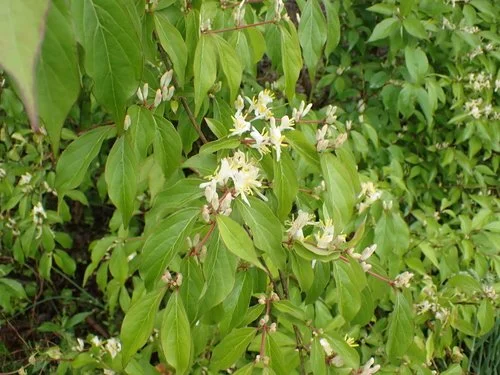
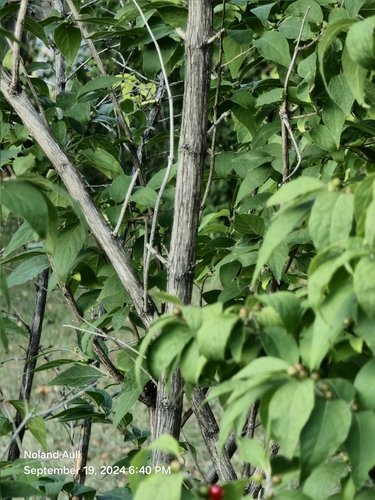
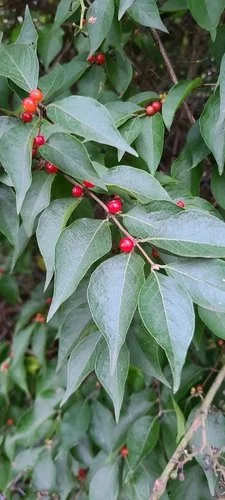
Photos: iNaturalist contributors (Noland Aull, John Abrams) — CC-BY
Honey Locust (Gleditsia triacanthos)
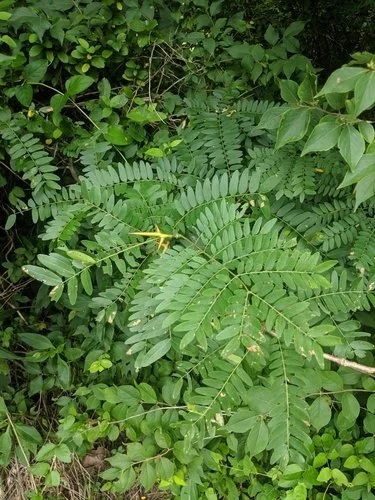
Honey locust is easiest to confirm by its long, sharp thorns (often in clusters) on the trunk and branches, plus feathery compound leaves made of many small leaflets. Mature trees also commonly drop long, flat seed pods. Use the photos below to compare overall form, thorn clusters, and leaf structure before you cut.
How to Identify Honey Locust
Photos: iNaturalist contributors (David Weisenbeck, Conway Hawn & John Abrams) — CC-BY
Bradford Pear / Callery Pear (Pyrus calleryana)
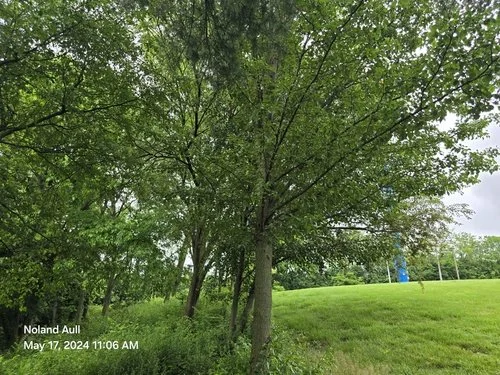
Bradford pear is an invasive ornamental tree known for its early white spring flowers and glossy oval leaves. It spreads rapidly into natural areas, forming weak-structured trees prone to failure and displacing native species.
How to Identify Bradford Pear
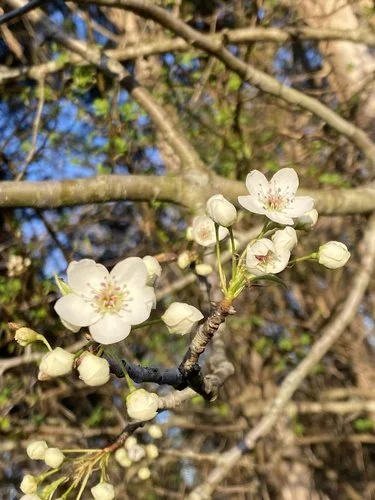
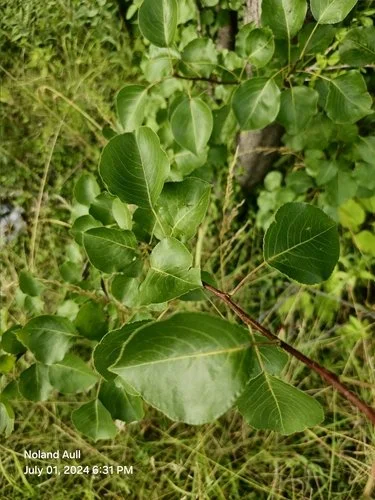
Photos: iNaturalist contributors (Noland Aull & Asher P Higgins) — CC-BY
Kudzu (Pueraria montana)
Kudzu is an aggressive climbing vine that spreads rapidly and smothers trees, shrubs, and structures. It is identified by large three-lobed leaves and fast-growing vines that can overtake entire hillsides.
How to Identify Kudzu
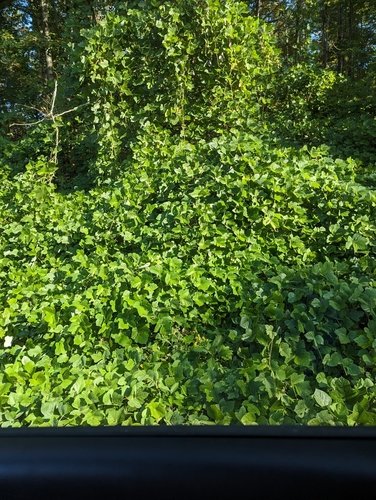
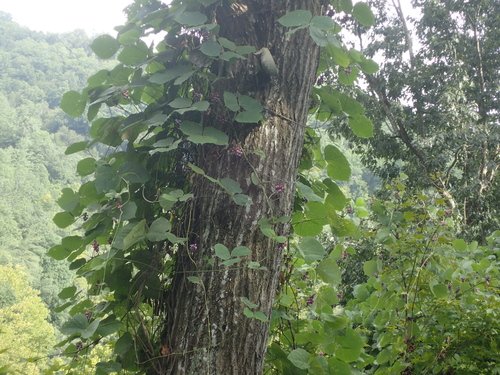
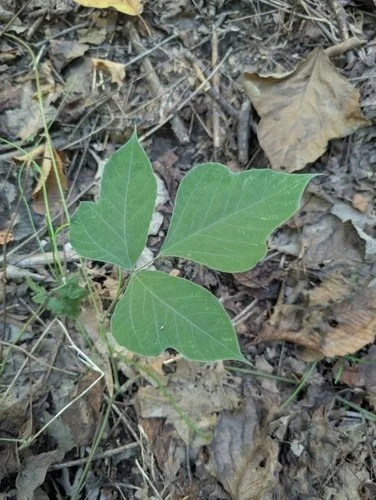
Photos: iNaturalist contributors (John Abrams & Kristen Diesburg) — CC-BY
Tree of Heaven (Ailanthus altissima)
How to Identify Tree of Heaven
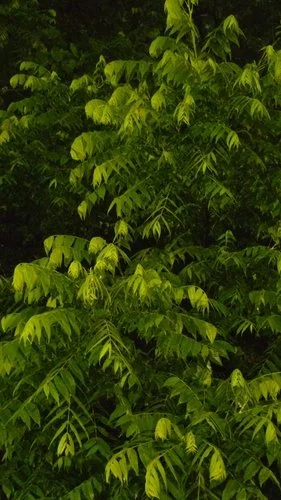
Tree of Heaven is a rapidly spreading invasive tree known for its large compound leaves and strong odor when crushed. It is highly aggressive and commonly associated with disturbed soils and roadside areas.
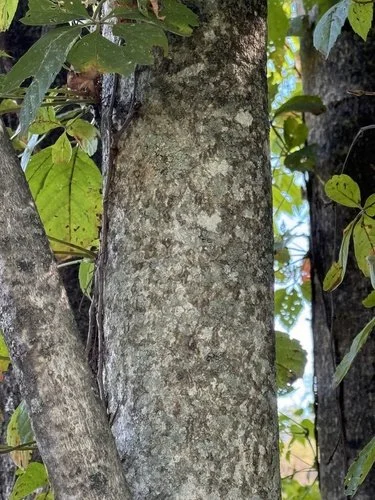
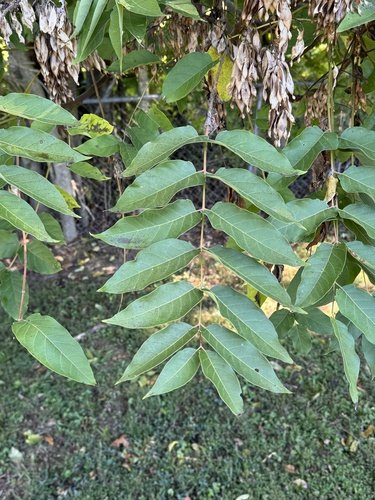
Photos: iNaturalist contributors (Asher P Higgines & Noland Aull) — CC-BY
Autumn Olive (Elaeagnus umbellata)
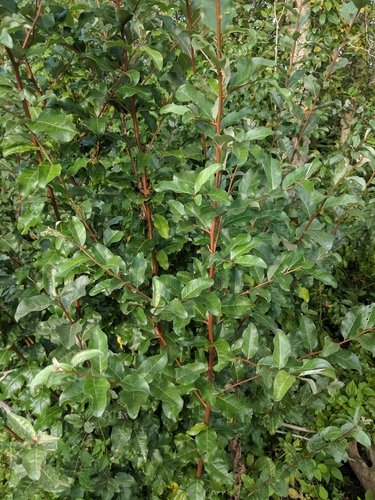
A nitrogen-fixing invasive shrub recognized by silvery leaf undersides and dense branching that displaces native species.
How To Identify Autumn Olive
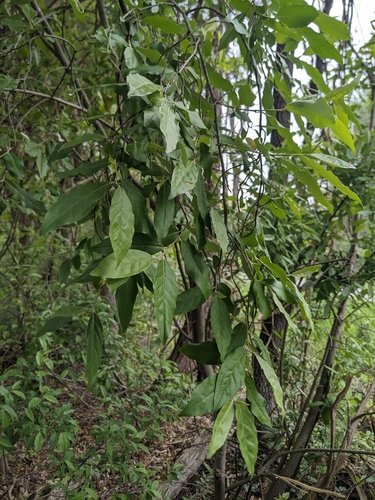
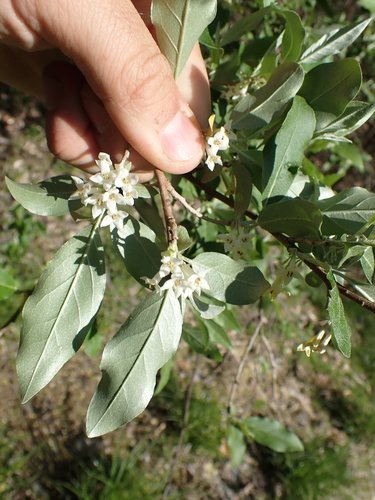
Photos: iNaturalist contributors (John Abrams & Alaina Krakowiak) — CC-BY
What to Do If You Identify an Invasive Species
If you believe you have one or more invasive species on your property, early action matters. Many invasive plants spread aggressively through roots, seed, or resprouting and can worsen quickly if disturbed improperly. Professional evaluation helps determine the safest and most effective control or removal strategy.
-
Common signs include dense thickets of unfamiliar shrubs (especially those leafing out early or holding leaves late), vines smothering trees, thorny trees in pastures, or plants forming monocultures that exclude other species. Bush honeysuckle is the most common invasive in Northern Kentucky—if you have dense shrubs with white flowers in May and red berries in fall, it's likely honeysuckle. Contact us at (859) 455-6165 for free property assessment and species identification.
-
Forestry mulching destroys root crowns preventing most invasives from re-sprouting. However, some species (Japanese knotweed, tree-of-heaven, oriental bittersweet) may require follow-up monitoring and spot-treatment of any re-growth. Seed banks in soil can germinate for several years, so properties with severe infestations may benefit from multi-year management. We provide realistic expectations during assessment and can schedule follow-up if needed.
-
Small isolated infestations can sometimes be controlled by persistent homeowners, but large infestations typically require professional equipment and expertise. Cutting without proper treatment often stimulates aggressive re-sprouting. Herbicide misapplication wastes money and damages non-target plants. Species with extensive root systems (honey locust, tree-of-heaven, bush honeysuckle) are extremely difficult to eradicate without commercial forestry mulching equipment.
-
Cost depends on species type, infestation density, terrain difficulty, and property access. Heavy bush honeysuckle thickets require more time than scattered individual plants. Thorny species like honey locust or multiflora rose may require specialized safety precautions. During your free assessment, we evaluate your specific situation and provide transparent pricing. Many customers bundle invasive removal with other land clearing services for cost efficiency.
INVASIVE SPECIES REMOVAL FAQS
Land Grinders provides professional invasive species removal throughout Northern Kentucky and Greater Cincinnati:
Kentucky Counties: Boone, Kenton, Campbell, Gallatin, Grant, Owen, Pendleton
Ohio Counties: Hamilton, Clermont, Brown
Cities: Union, Florence, Burlington, Hebron, Walton, Independence, Covington, Erlanger, Fort Mitchell, Newport, Cincinnati, and surrounding communities
Call (859) 209-3828 to schedule invasive species assessment and removal.
SERVICE AREA
PROTECT YOUR PROPERTY FROM INVASIVE SPECIES
Professional Invasive Species Removal Throughout Northern Kentucky
Don't let bush honeysuckle, Bradford pear, kudzu, or other invasive species destroy your property's value and native ecosystem. Land Grinders provides expert invasive species identification and removal using commercial forestry mulching equipment throughout the tri-state region.
Download Our Complete Northern Kentucky Invasive Species Identification Guide (PDF) - Comprehensive reference with photos, identification tips, spread mechanisms, and control strategies for all common invasives.
Serving residential, agricultural, commercial, and conservation properties throughout Boone County, Kenton County, Campbell County, and Greater Cincinnati.
Educational Disclaimer
This page is provided for general educational and field-identification purposes only. Visual identification alone is not a substitute for professional evaluation, site assessment, or species confirmation. Plant characteristics can vary by season, maturity, and environmental conditions, and some native species may resemble invasive plants.
LandGrinders does not guarantee species identification based solely on photos or descriptions presented here. Management, removal, or treatment decisions should be based on a site-specific evaluation and applicable local, state, and federal regulations.