
The Land Hub is an educational gateway designed to help landowners understand land clearing, vegetation management, invasive species, and terrain challenges before choosing a path forward. It brings together clear explanations, real-world context, and practical comparisons so you can make informed decisions based on conditions—not guesswork.
Education, Insight, and Practical Guidance for Land Management
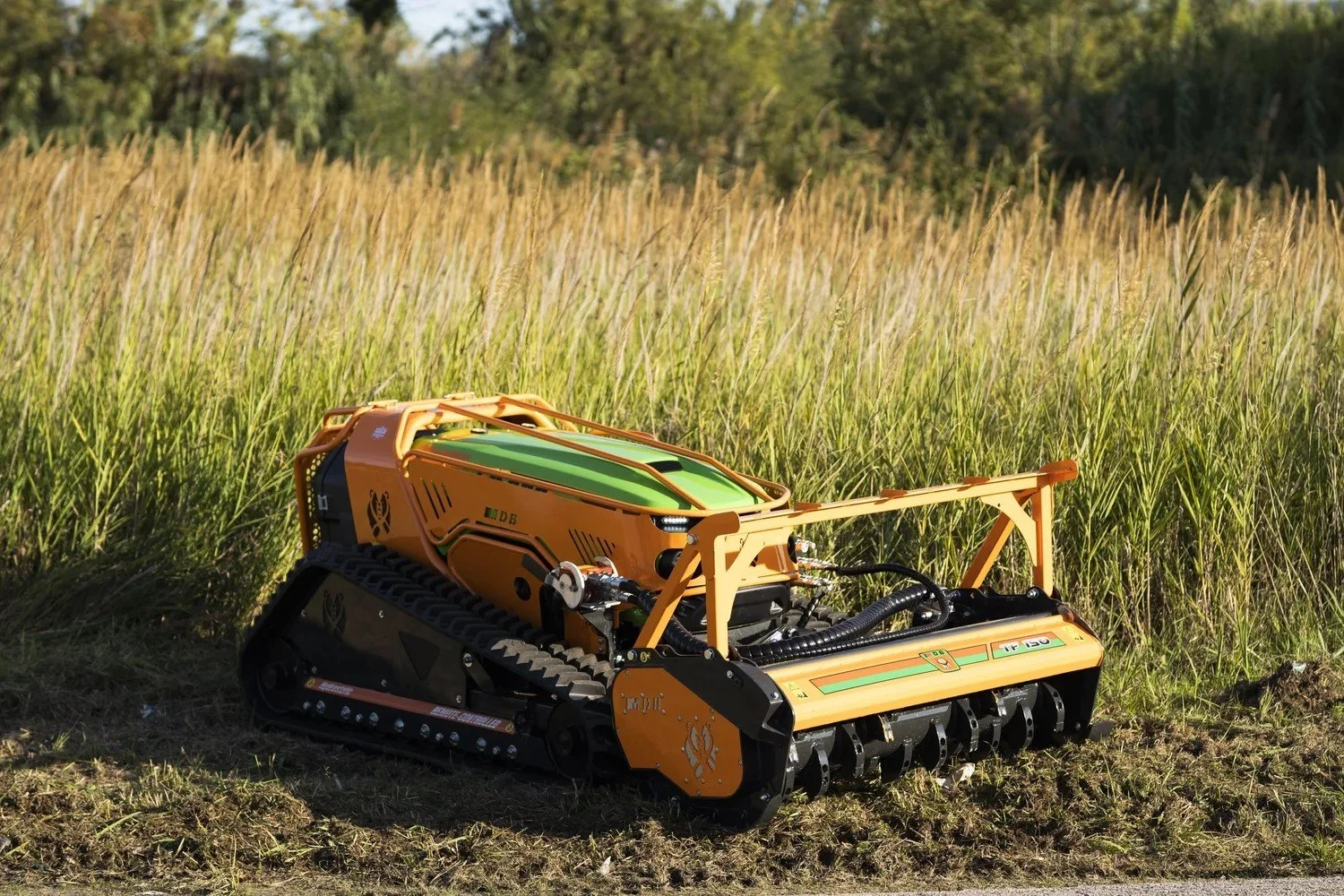
Tough on brush, gentle on your land
This page connects core land services with in-depth journal articles and explainer pages that explore the “why” behind different approaches. Some sections introduce foundational concepts, while others guide you to deeper, research-supported insights on specific land management challenges.
What This Land Hub Is For
This page is designed as a guide, not a sales pitch. If you’re unsure which land service fits your property, how different methods compare, or why one approach may be better than another, the Land Hub gives you a clear starting point. From here, you can explore services at a high level or move into deeper journal-style explainers that break down specific land management topics in detail.
Understanding Land Clearing vs Land Maintenance
Not all land work is intended to permanently change how a property functions. Some approaches focus on reclaiming land by removing dense or overgrown vegetation, while others focus on guiding growth to keep areas usable, visible, and stable over time. Understanding this distinction helps frame expectations before comparing specific services or methods.
Land clearing changes how an area functions by removing established vegetation
Land maintenance manages growth to preserve access, visibility, and stability
Terrain, vegetation maturity, and long-term goals shape which mindset applies
Some properties require clearing first, followed by ongoing maintenance
The right approach depends on how the land is meant to be used over time
Explore the Land Management Journal
This is where we publish clear, research-supported education for landowners dealing with invasive species, steep hillsides, overgrown edges, and long-term property stewardship. The goal is simple: help you understand what’s happening on your land and why—so your next step feels informed, not rushed.
Inside the Journal, you’ll find broad overviews and focused deep dives that explain how terrain, vegetation type, and land goals affect outcomes. We keep it practical, grounded in real properties across Northern Kentucky, Southern Ohio, and Southeastern Indiana, with supporting references when they help reinforce the point.
If you want the “why” behind different approaches—start with the Journal. It’s the fastest way to move from general questions to specific clarity.
How to Choose the Right Land Service
Once the difference between clearing and maintenance is understood, choosing the right service becomes a matter of conditions rather than acreage. Factors like slope, vegetation density, regrowth behavior, access limitations, and future land use all influence which approach makes sense. Many properties benefit from using more than one service, either sequentially or in combination.
Steep or uneven terrain may limit traditional equipment access
Dense brush or woody growth may require processing rather than mowing
Areas intended for regular use often benefit from managed regrowth control
Safety, stability, and drainage conditions influence method selection
Long-term maintenance goals matter as much as immediate results
Once land conditions, goals, and constraints are clear, the focus shifts from understanding to application. The services below represent the primary ways land is cleared, maintained, and guided based on terrain, vegetation type, access, and long-term use.
Our Core Land Services
Forestry mulching is used to process dense brush, saplings, and overgrowth directly into the soil surface. This approach reclaims land while leaving organic material in place, helping protect soil structure, reduce erosion, and support more stable regrowth over time.
Brush hogging is designed for controlling tall grasses, weeds, and light brush across open or semi-open areas. It’s commonly used to maintain fields, fence lines, and large properties where regular growth management is needed rather than full vegetation removal.
Stump grinding removes leftover tree stumps by grinding them below the surface without large-scale excavation. This eliminates tripping hazards, improves usability, and prepares areas for replanting, mowing, or continued land maintenance with minimal ground disturbance.
Hillside mowing focuses on vegetation management in steep, uneven, or hard-to-reach terrain where conventional equipment cannot operate safely. The goal is controlled growth reduction while maintaining soil stability and minimizing disturbance on slopes and embankments.
Drainage structures like box culverts and roadside channels can clog with sediment, debris, and vegetation. Cleanout work restores proper water flow, reduces erosion risk, and helps protect surrounding land and infrastructure by addressing access and material constraints safely.
Invasive species control targets aggressive plants that outcompete healthy growth and quickly reclaim unmanaged areas. The focus is on reducing invasive pressure and setting the land up for better long-term outcomes, often as part of a broader land management strategy.
Quick Answers
-
Most land issues—like invasive growth, erosion, or access problems—are symptoms of larger patterns involving terrain, soil, and vegetation history.
-
Many invasive and aggressive plants regenerate through roots, seeds, or seasonal cycles, which means surface removal alone rarely solves the problem.
-
Yes. Slopes, drainage, and soil stability strongly influence which methods are safe, effective, and sustainable over time.
-
Clearing removes growth; management guides what grows next. Long-term results usually depend on understanding the difference.
-
Many properties benefit from a phased approach that balances immediate improvement with long-term stewardship.
-
Start by understanding the type of growth, the terrain involved, and the outcomes you want—then explore focused guidance from there.
How to Get Started
If you’re unsure which service fits your land, this hub is the right place to begin. Review the service overviews, explore the explainer pages, and reach out when you’re ready to talk through your property and goals.
Expert Guidance You Can Trust
Our explainer resources are written and reviewed by Jennifer Leilani Fore, Land Management Educator and Co-Founder of LandGrinders. Jennifer holds a Master’s degree in Education and brings more than 20 years of experience teaching, mentoring, and guiding students and families across elementary, middle, and high school settings.
Throughout her career, Jennifer has served in instructional and program leadership roles, supporting curriculum development, educator training, and student-focused initiatives in both traditional and alternative learning environments. Her work has consistently centered on helping people navigate complex situations with clarity, confidence, and long-term thinking.
That same educator’s mindset now shapes LandGrinders’ explainer content. Her role is to translate unfamiliar land-management concepts into plain-spoken, practical guidance—helping property owners understand not just what is possible, but why certain choices matter.
Whether the goal is restoring a managed forest, creating a park-like setting, or planning a complete land reset, each explainer is written to reduce uncertainty, support thoughtful decision-making, and help landowners feel confident before any work begins.

Inside the Land Management Journal
A practical, educational resource built for landowners who want to understand the why behind land-clearing decisions, not just the end result. Each article is written to help you make informed choices about your property, safety, and long-term land health.
What you’ll find inside:
Clearing Methods & Land Impact — how different approaches affect soil, roots, erosion, and regrowth
Invasive Species Education — general overviews now, species-specific deep dives added over time
Solving Real Land Problems — slopes, access limits, overgrowth, and sensitive areas
Equipment & Capabilities — educational explanations of what machines can (and can’t) do
Safety & Stewardship — hillside safety, machine limits, and responsible land management
“The Land Management Journal is a growing knowledge base, with new articles and in-depth guides added regularly based on real field work, regional land conditions, and ongoing research.”
These questions come up when landowners are trying to understand their property, set realistic expectations, and choose the right direction before taking action.
Frequently Asked Questions About Land Services
-
No. Different species respond differently to mechanical, chemical, and cultural methods, which is why identification matters.
-
Slopes introduce safety risks, erosion concerns, and equipment limitations that don’t exist on flat ground.
-
The best approach usually aligns land goals with site conditions, safety considerations, and long-term maintenance expectations.
-
Vegetation type, slope, soil condition, water movement, and past disturbance all play a role in how land changes year to year.
-
Invasive plants often lack natural controls in their new environment, allowing them to outcompete native species and dominate space.
-
When done thoughtfully, control efforts can restore balance, improve access, and support healthier plant communities over time.